In the late 1990s, IBM set up a world wide organisation involving a number of research and development locations, to look at things smaller than laptops.In part it grew out of an OEM organisation that was embedding IBM technology into other people’s products. There were, as far as we can ascertain, four threads to Pervasive:
- In car / automotive – eg in car voice demo – and the Norwich Union Pay as you Drive (early black box insurance) projects
- In hand – Mobile phone applications – mainly around WAP (with Nokia) and J2mE embedded Java midlets etc.
- In home – Items in the house… like security, smart TV (such as they were then) – home appliance monitoring
- In industry – Embedded products for industrial automation
There were some IBM bits of hardware, but most of it was about embedded Java software on OEM devices. One of the earlier devices was an in car voice control demo shown at CeBit 1999. This included a dummy car console, complete with automatic gearbox gear lever. The ‘driver’ would log in using a smart card with his / her profile, and could then issue voice commands using ViaVoice to control car functions, like ‘volume up,’ ‘play cd,’ ‘read mail,’ ‘delete,’ etc. There was also a touch screen.
Other examples included:
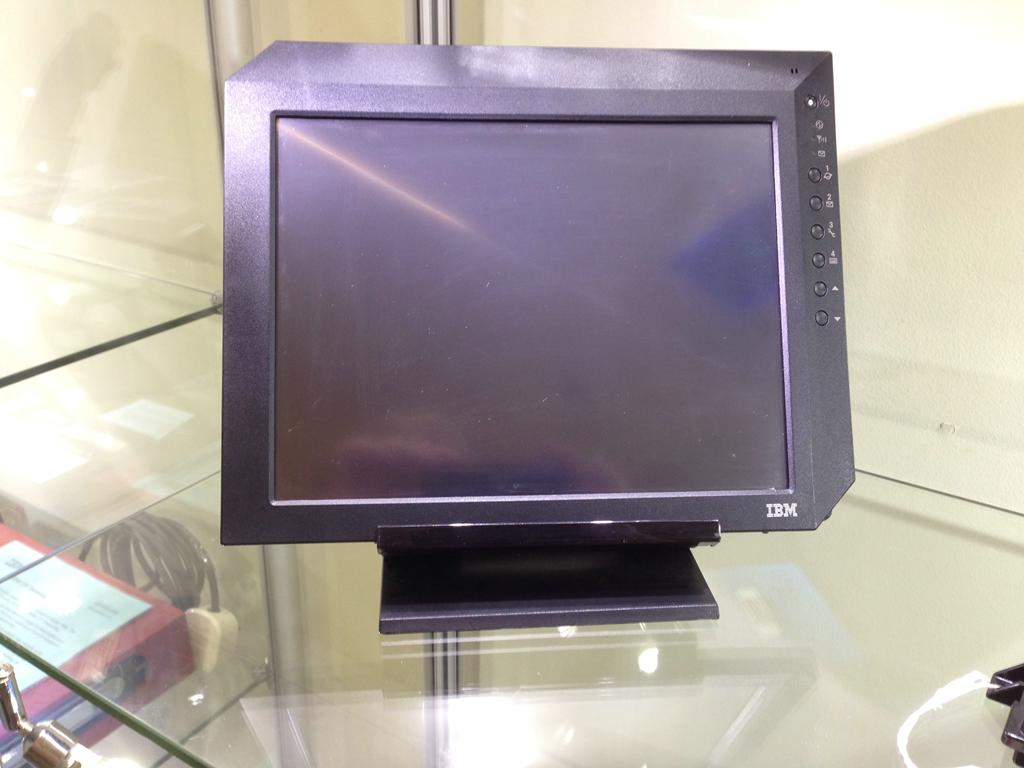
The IBM Pad – a touch screen pad running Websphere with wireless networking – only 12 were made of which 3 are now in Hursley.
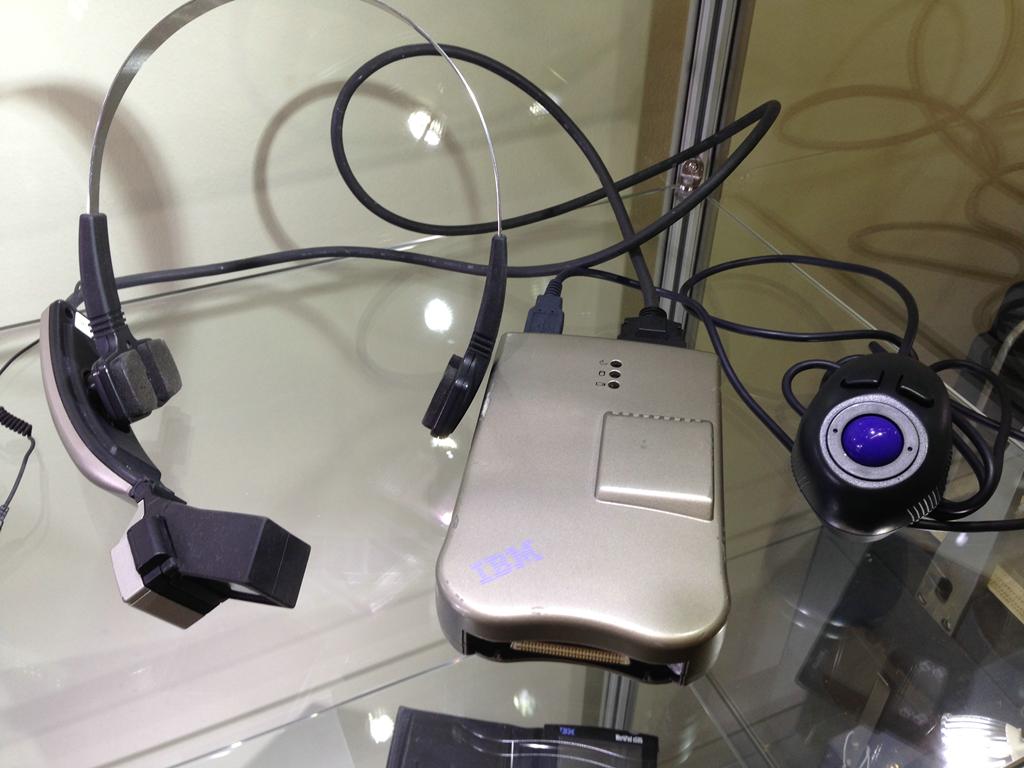
A Wearable PC (a ThinkPad repackaged in a small enclosure, Google Glass® years before.
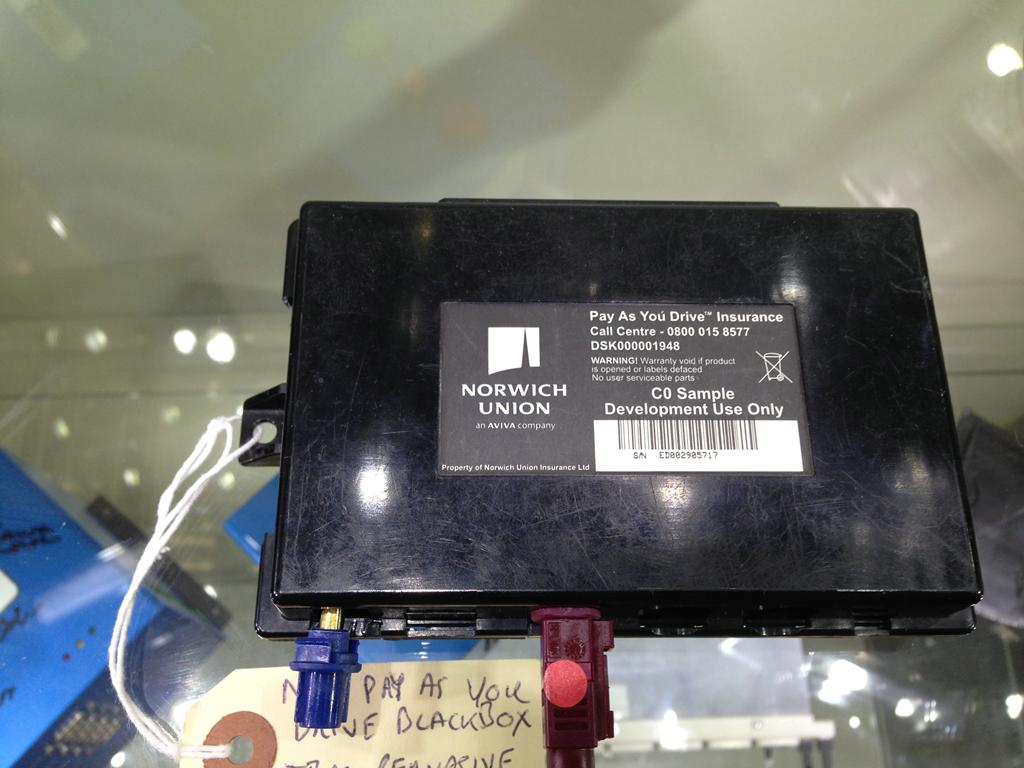
A black box for Norwich Union to charge car insurance according to driving habits (pay-as-you-go).
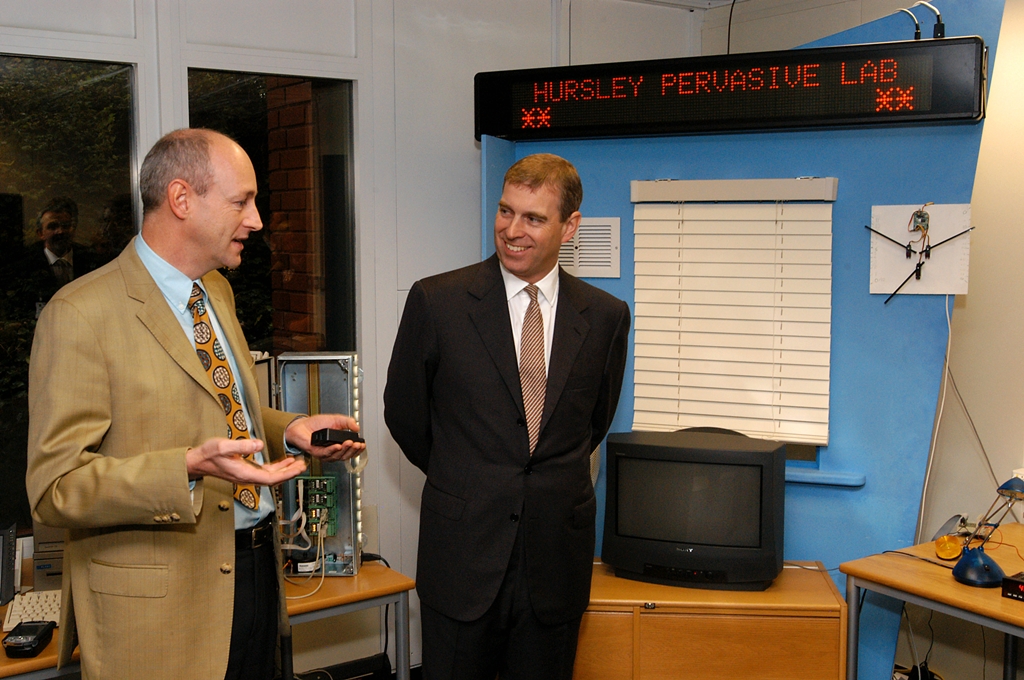
A venetian blind that could be operated using a mobile phone over WAP and a remote controlled drink vending machine. The venetian blind demo was a key component of the HS&T (Hursley Services & Technology) [early ETS] group’s demo lab, which resided for about 5 or 6 years in D-Block. An example of embedded Java were the Arcom Controls Blue Boxes (see below) used to develop the now industry standard MQTT software.
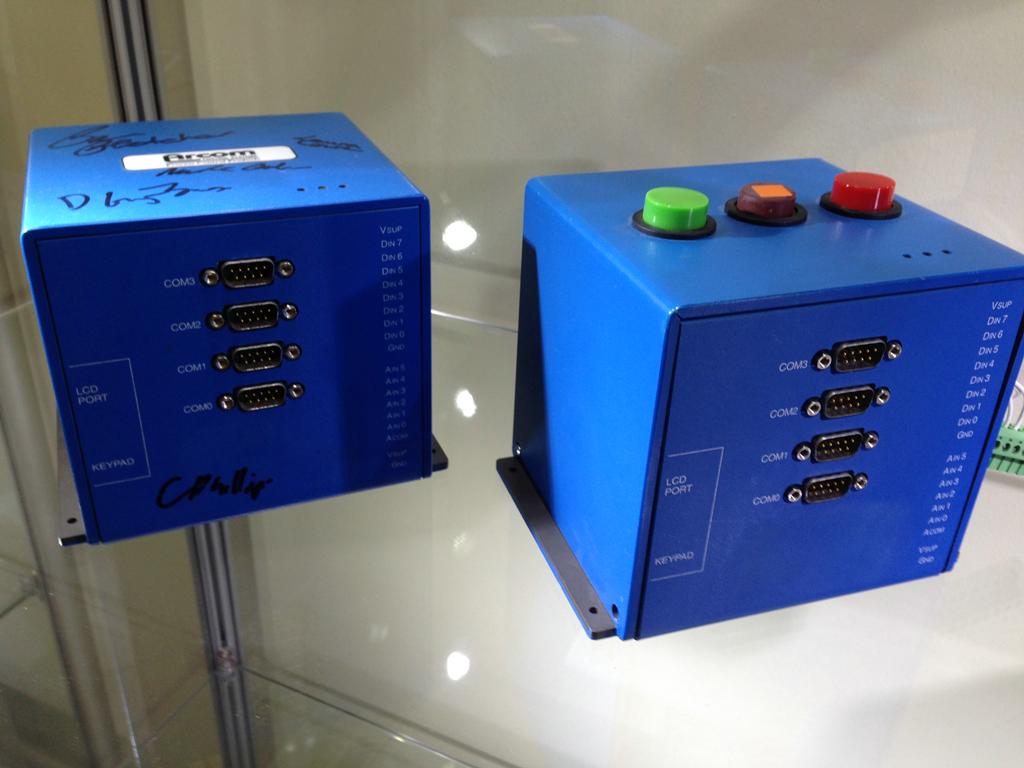
Arcom / MQTT – ‘Mousetrap Demo’
Programmable Logic Controller (PLC) made by Arcom Controls (now EuroTech), a vendor of SCADA (Supervisory, Control And Data Acquisition) equipment, mainly for the oil and gas industries.
Arcom’s president, Arlen Nipper and IBM’s Andy Stanford-Clark collaborated on the development of the MQTT messaging protocol in 1998. MQTT is now an ISO/IEC standard (20922), and is the predominant messaging protocol for the Internet of Things (IoT).
This device was the first commercially available product to implement the MQTT client software, and was used to publish data from sensors connected to it to a remote MQTT broker: WebSphere Message Broker. The device could also subscribe to commands, which it would pass on to actuators such as relays, pumps and valve controllers.
Several thousand of these devices are still operating in production environments for large oil and gas companies in the USA. Andy’s ‘Mousetrap Demo’ was in use for many years in his garage, attached to a mousetrap.
There are a few archived IBM adverts from the day on the museum’s YouTube channel, showing some of the wider projects underway at that time:
- Park Bench – Wearable PC
- Supermarket – Early RFid tag
- Smart Car – Early In Car Voice Automation
- Fridge – Preventive Maintenance
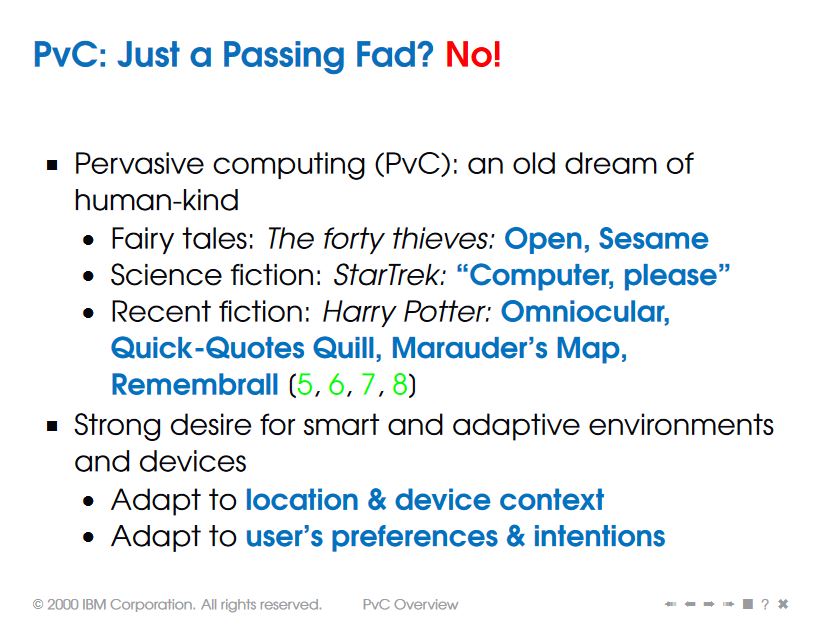
In March 1999, InfoWorld published this article about IBM’s Pervasive initiative. A slide from a 2000 presentation suggests ‘it’s not a passing fad,‘ (not to forget Alexa!) and showed a chart of how the industry would continue to change and move away from the PC. Later IBM web site content talks about IBM Mobile Software – WebSphere® MQ, MessageSight, Forms, Notes® Traveler and Lotus® Expeditor. ZDNet published the following article in early 2003.
| ZDNet Article on Pervasive – January 30, 2003 Pervasive computing is here and it’s going to enter most aspects of your life, according to IBM. There were 325 million pervasive computing devices in 2002, and this will increase to one billion by 2005, claims the software giant. IBM defines pervasive computing as any computing device that is not a personal computer, stretching from Internet fridges to mobile telephones. Michael Karasick, the director of embedded development for the IBM pervasive computing division, denies the credibility of the area has been hampered by the relatively slow takeup of innovations such as “smart houses” and “Internet fridges. “In certain areas it has taken off,” he told ZDNet Australia, citing smart cards, mobile phones and cameras as some examples of non-traditional computing devices. “I judge how successful [pervasive computing] is by how busy I am,” added Karasick. “We have been, as an organisation, growing in this area and have had more opportunity than we can deal with over the past year.” Some aspects of the smart house are already in use in colleges across the US. In a project IBM calls eSuds dormitories in colleges allow their students to make reservations for washing machines with their mobile phones, pay using the mobile phone, and be notified when the washing is done. Another example of where microchips will enter your life in ways you may not have expected is the automobile industry, which is embracing the technology. In the 2002 version of the Honda Accord, the technology will allow you to interact with the car using natural language statements, such as “where is the nearest restaurant?” The car will then load the information on the navigation system. The software will also link to the antilock braking system, the airbag system and the navigation system, and will send information on an accident back to base, which can determine the extent of the accident and what level of response is needed. “That piece of information changes the entire structure of the automotive industry,” said Andrew Dutton, vice president of IBM software group, Asia-Pacific. He said car companies can now branch out into tow truck companies, panel beaters, finance and insurance in a far more comprehensive way than they are currently. If that image sends chills down your spine and you begin uttering phrases such as “invasion of privacy” and “Big Brother”, you’re not alone. The improvements in technology that allow the location and habits of individuals to be tracked and collated may have strong business and consumer benefits, but also has the potential to remove people’s privacy on a scale unprecedented in history, a fact which concerns many people. Dutton said that IBM had a very strong drive on privacy, but conceded there is a long way to go. “If we don’t address this issue up front it will slow the industry down, and that’s not in our best interests,” he said. “This is a set of issues we’re going to have to face as a community.” “The car example is a good example of the issue,” said Dutton. “There’s a clear difference between a crash alert system and a tracking system.” According to Karasick, the issue of privacy is two-fold. First, how long the information survives, and second, what the companies have permission to do with it. “It’s a legal issue more than a technical one,” he said, adding privacy policies needed to be created to control the flow of personal information. “The most important thing to do in privacy policy creation is putting the control in the customers hands, setting the default to ‘there is nothing you can do with my information’ and letting you decide what information you will allow to be used,” he said. |